
In early 2024, a netizen shared an unexpected encounter on social media: Ekin Cheng, the once-iconic star of Hong Kong cinema, was spotted flying economy class to Japan. The 57-year-old actor, with streaks of gray in his signature long hair, sat quietly with his eyes closed, looking every bit like a retired hero from a bygone era.
For fans who grew up in the 1990s, Ekin Cheng was the face of Hong Kong youth culture—the brooding, long-haired Chan Ho Nam from Young and Dangerous, the sword-wielding Wind in The Storm Riders, and the patriotic Hua Hero in A Man Called Hero. At his peak, he was dubbed “The Fifth Heavenly King” of Cantopop, standing alongside legends like Andy Lau and Jacky Cheung.
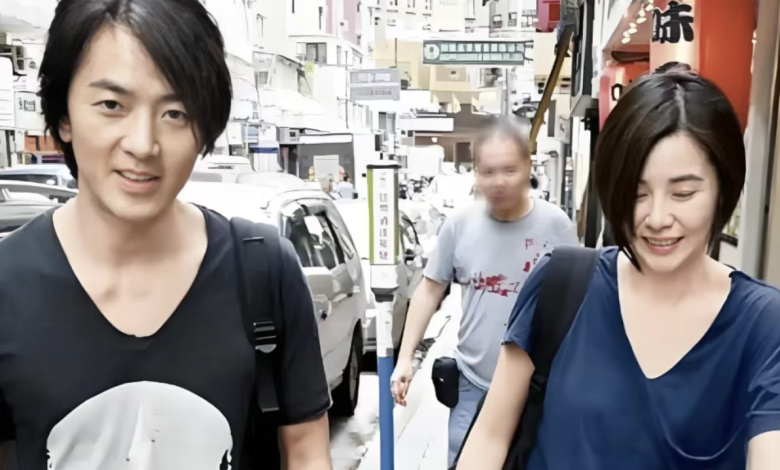
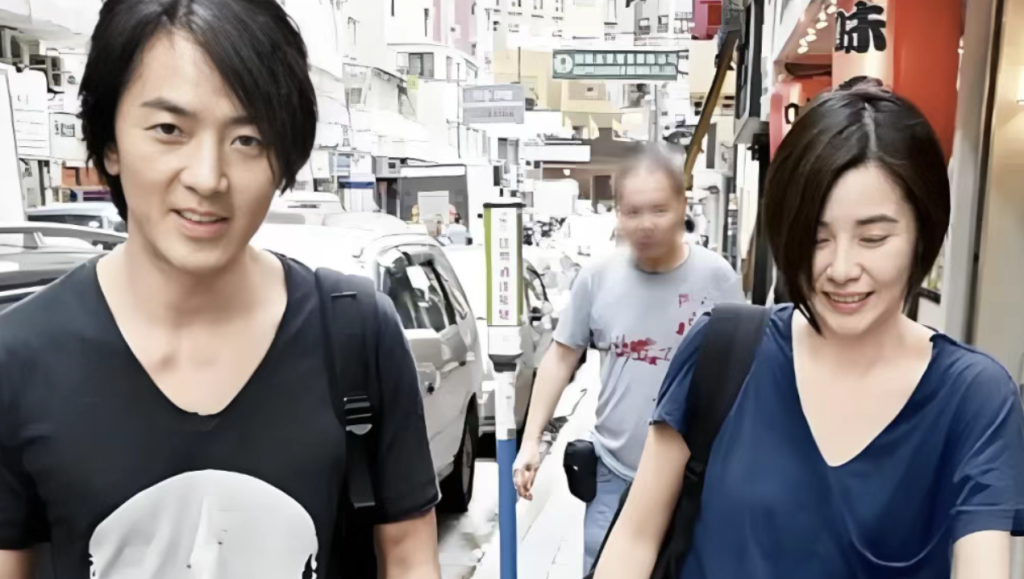
Yet today, while his former co-star Jordan Chan (Chicken in Young and Dangerous) enjoys a career resurgence through mainland Chinese variety shows, Ekin Cheng lives a quiet, almost reclusive life in Japan with his wife, Yoyo Mung. He occasionally posts mundane updates—grocery shopping, cycling, or hiking—far removed from the glitz of showbiz.
What happened to the man who once ruled Hong Kong cinema? Why did he fade into obscurity while others thrived? This article explores Ekin Cheng’s meteoric rise, his controversial love life, his gradual retreat from fame, and his current life away from the spotlight.
Early Beginnings: From Lemon Tea Boy to TV Heartthrob
The “Sunshine Lemon Tea” Boy (1984)
At 17, Ekin Cheng was just another Hong Kong teenager when he landed a commercial for “Sunshine Lemon Tea.” His boyish charm and flowing locks made him an instant teen idol.
Breakthrough in TV Dramas
In the late 1980s, he transitioned to TVB dramas, most notably:
- “The Breaking Point” (1989) – His first major role.
- “Moonlight Express” (1992) with Nadia Chan – A hit that earned him the nickname “Golden Boy” (paired with “Jade Girl” Nadia Chan).
Despite his growing popularity, Cheng was not a trained actor. His reserved personality and lack of dramatic range initially limited him to romantic, soft-spoken roles.
The Game-Changer: Young and Dangerous (1996)
The Role That Defined a Generation
In 1996, director Andrew Lau adapted the comic Teddy Boy into Young and Dangerous. The original choice for Chan Ho Nam was Andy Lau, who declined due to the film’s gangster themes.
Ekin Cheng, then a B-list actor, was cast last-minute. His tall, lean frame, piercing eyes, and silent charisma perfectly embodied the loyal, melancholic triad leader.
Cultural Phenomenon
The film became a sensation across Asia, spawning five sequels and multiple spin-offs. Cheng’s portrayal of Chan Ho Nam turned him into a symbol of rebellious youth.
- Impact: Teenagers copied his hairstyle, leather jackets, and even his walk.
- Box Office: The franchise grossed over HK$100 million, making Cheng one of the highest-paid actors of the late 90s.
“The Fifth Heavenly King”
At his peak, Cheng was compared to the “Four Heavenly Kings” (Andy Lau, Jacky Cheung, Aaron Kwok, Leon Lai). Even Jacky Cheung joked about “giving up his throne” to him.
The Golden Era: The Storm Riders, A Man Called Hero (1998-1999)
Comic-Book Adaptations Dominate the Box Office
- The Storm Riders (1998) – As Wind, Cheng starred opposite Aaron Kwok (Cloud). The film broke Hong Kong’s opening weekend records.
- A Man Called Hero (1999) – Another box office hit, solidifying his status as Hong Kong’s top action star.
Why Did He Peak So Fast?
- Perfect casting in comic adaptations – His tall, heroic look suited manga-style films.
- Limited acting range – He excelled in stoic, cool-headed roles but struggled in complex dramas.
- Overexposure – By 2000, audiences grew tired of similar roles.
The Downfall: Career Slump and Personal Scandals
The Decline of Hong Kong Cinema
By the early 2000s, Hong Kong films lost dominance to Hollywood and mainland Chinese cinema. Cheng’s projects became low-budget, repetitive action flicks:
- Legend of Speed (1999) – A box office flop.
- The Duel (2000) – Mixed reviews.
The “Double Gigi” Scandal (1999-2006)
Cheng’s personal life overshadowed his career:
- Maggie Siu (1992-1999) – He dated the older, more established actress for 7 years, even vowing to “take care of her forever” when she fell ill.
- Gigi Leung (1999-2006) – While still with Maggie, he fell for Gigi Leung, leading to “Double Gigi Gate”—a media frenzy that damaged his image.
- Breakup with Gigi (2006) – Reportedly due to his lack of ambition (Gigi wanted marriage; Cheng preferred gaming and leisure).
Why Did He Never Recover?
- Typecast as Chan Ho Nam – Fans couldn’t see him as anything else.
- Lack of reinvention – Unlike Andy Lau, who evolved into serious dramas, Cheng stuck to comfort zones.
- Reputation as “Lazy King” – He rarely promoted films, avoided variety shows, and prioritized personal happiness over fame.
Life After Fame: Marriage, Japan, and Obscurity
Quiet Love with Yoyo Mung (2006-Present)
After two 7-year failed relationships, Cheng finally settled down with actress Yoyo Mung in 2013. They:
- Married in Tokyo (low-key ceremony).
- Moved to Japan (to escape Hong Kong media).
- Opened a real estate business (financially stable but not lavish).
Why Japan?
- Privacy – Fewer paparazzi.
- Lifestyle – Cheng enjoys cycling, gaming, and nature—far from showbiz stress.
Does He Regret Fading Away?
In rare interviews, Cheng says:
“I never chased fame. I had my moment; that’s enough.”
Unlike Jordan Chan (now a variety show darling), Cheng has no interest in a comeback.
Conclusion: The Man Who Chose Happiness Over Stardom
Ekin Cheng’s story is not one of tragedy, but of choice. He could have been a lasting superstar, but he walked away—first due to scandal, then by personal preference.
Today, at 57, he rides bikes through Japanese suburbs, posts casual selfies, and lives like an ordinary man. For fans, he remains forever young—the untouchable Chan Ho Nam, frozen in the golden age of Hong Kong cinema.
Perhaps, in the end, he won—not by clinging to fame, but by letting it go.