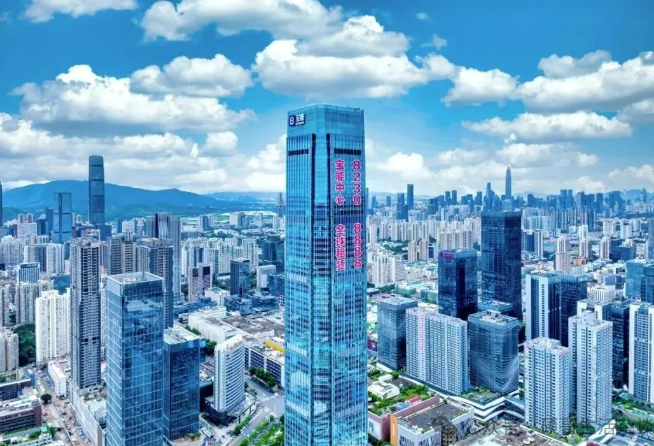

Historical Background
Bao’an District is one of the most historically rich administrative regions in Shenzhen. Its origins date back to the Eastern Jin Dynasty in 331 AD, when Bao’an County was established. The county seat was located in today’s Nantou Ancient City and governed an area that included modern-day Shenzhen, Hong Kong, and parts of Dongguan. During the Ming and Qing Dynasties, Bao’an was a coastal county under Guangzhou Prefecture, primarily based on fishing, salt production, and agriculture.
Following Shenzhen’s city designation in 1979, the original Bao’an County was divided into the Shenzhen Special Economic Zone and the remaining Bao’an County, which later became Bao’an District. From the 1980s to 1990s, Bao’an became a pioneer in Shenzhen’s industrialization through the “Three-Plus-One” model (processing with supplied materials, samples, parts, and compensation trade), attracting significant foreign investment. Post-2000, as urbanization accelerated, Bao’an began its transformation from a traditional manufacturing base into a modern urban center and emerged as the western hub of Shenzhen.
Today, Bao’an is the largest district by area (397 km²) and most populous (around 4.5 million residents) in Shenzhen. In 2023, its GDP surpassed 500 billion RMB, accounting for about 15% of the city’s total, making it a vital industrial and transportation engine.
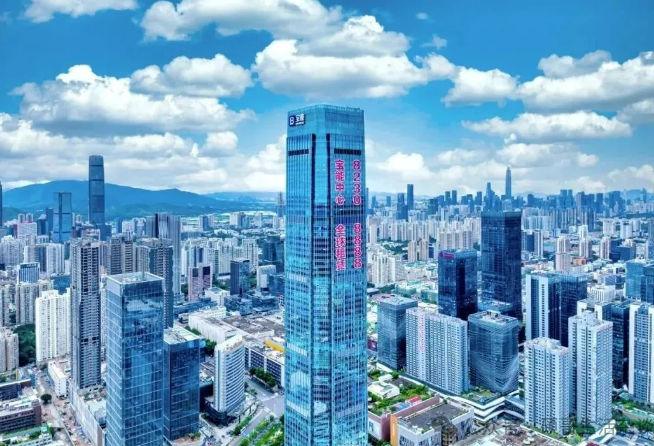
Major Commercial Zones
Bao’an Central District
Positioned as Shenzhen’s new western urban center, this area develops in tandem with the Qianhai Free Trade Zone.
- Landmarks: One Avenue Mall (the largest in western Shenzhen), OH Bay (home to the “Bay Area Eye” Ferris wheel), and Qianhai One.
- Future Outlook: Plans to develop into an international finance and tech services hub leveraging Qianhai’s favorable policies.
Xixiang-Pingzhou Commercial Area
A mix of residential and commercial development. Notable retail centers include Rainbow Mall and Dashanli Shopping Plaza.
- Night Market Culture: Yantian Night Market and Xixiang Pedestrian Street are popular for local food and street stalls.
Shajing-Fuyong Area
Supports Shenzhen World Exhibition & Convention Center (the world’s largest convention venue), driving demand for hotels and logistics services.
- Cultural Features: Shajing Old Town and Fenghuang Ancient Village blend historical heritage with modern commercial zones.
Songgang Commercial Area
Located near the Shenzhen-Dongguan border, it serves as a regional commercial hub with malls like Rainbow and LTO Mall.
Leading Enterprises
Bao’an is the heart of Shenzhen’s manufacturing and high-tech industries, home to several industry leaders:
Electronics & Hardware Manufacturing:
- DJI Innovations: Global leader in consumer drones, headquartered in Bao’an High-Tech Park.
- Luxshare Precision: A key Apple supplier and China’s largest connector manufacturer.
- Sunwoda: Major supplier of lithium batteries for consumer electronics.
New Energy & Advanced Equipment:
- BYD: Some of its production and R&D centers (e.g., battery division) are located in Bao’an.
- CIMC Group: World leader in container manufacturing and logistics equipment.
Biotech:
- BGI Genomics: A global leader in genetic sequencing, with a major R&D base in Bao’an.
Logistics:
- SF Express: Although now headquartered elsewhere, it maintains key logistics hubs in Bao’an.
Renowned Hotels
JW Marriott Hotel Qianhai Shenzhen
Located in Bao’an Central District near OH Bay, ideal for both business and leisure.
Hyatt Regency Shenzhen Airport
Connected to Terminal 3 of Shenzhen Bao’an International Airport, perfect for transit travelers.
Hilton Garden Inn Shenzhen Bao’an
Mid-to-upscale business hotel, close to the Shenzhen World Exhibition Center.
Xiyue Hotel Shajing
A high-end hotel under Huazhu Group, catering to convention visitors.
Wanyue International Hotel
An established four-star hotel offering great value in central Bao’an.
Bao’an’s Tech Innovation Development
Bao’an is rapidly upgrading its industrial landscape through innovation:
National High-Tech Zone Development
Bao’an High-Tech Zone hosts over 5,000 tech enterprises focused on smart manufacturing and next-gen IT.
“Industry in the Sky” Model
Projects like the Xinqiao East Industrial Park relocate manufacturing into high-rise industrial buildings, maximizing land use.
Corporate Ecosystems
Flagship companies like DJI and Luxshare foster a strong ecosystem of upstream and downstream partners, forming industrial clusters in drones and electronic components.
Government Support
Bao’an’s “Phoenix Plan” provides funding for tech enterprises. In 2023 alone, 82 companies were added to the national-level list of “Little Giant” specialized manufacturers.
Is Bao’an Suitable for Foreign Residents?
Advantages:
- International Infrastructure: Bao’an Central District and Qianhai are developing international communities. Schools like Shenzhen Foreign Languages School (Bao’an Campus) offer internationalized education.
- Excellent Connectivity: Bao’an International Airport and the soon-to-open Shenzhen-Zhongshan Corridor (2024) enhance regional access.
- Lower Living Costs: Rent is 20–30% lower than in Futian or Nanshan, suitable for expat families on a budget.
- Industry Opportunities: High demand for foreign tech professionals in sectors like manufacturing and logistics. Companies like DJI and SF Express actively hire foreign engineers.
Challenges:
- Uneven Development: While the central area is modern, places like Shajing and Songgang still reflect industrial and village-like characteristics.
- Limited English Environment: Daily communication may be challenging outside of hotels or business zones.
- Fewer Cultural Offerings: High-end theaters and international exhibitions are mostly located in Futian and Nanshan.
Best Suited For:
- Expats working in tech manufacturing or logistics industries.
- Business travelers needing frequent international access.
- Cross-border families living between Hong Kong and the mainland.
Conclusion
From Shenzhen’s “industrial cradle” to a modern “tech innovation powerhouse,” Bao’an has undergone a remarkable transformation. In 2023, strategic emerging industries accounted for 48% of its GDP. While urban quality varies across neighborhoods, its industrial strength (ranked 5th among China’s top 100 industrial districts), role as a transportation hub (airport + Shenzhen-Zhongshan Corridor), and cost advantages position it as a key driver of Shenzhen’s sustainable growth.
For foreign professionals, Bao’an is well-suited for practical, career-focused living. However, those seeking a fully international lifestyle may still prefer Futian or Nanshan. Looking ahead, with Qianhai’s expansion and deeper Shenzhen-Hong Kong cooperation, Bao’an’s global potential is only just beginning to unfold.